WulffDDSCAT
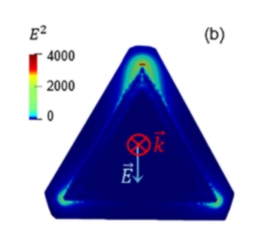
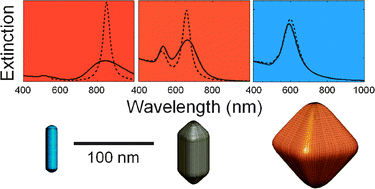
Wulff-Based Approach to Modeling the Plasmonic Response of Single Crystal, Twinned, and Core–Shell Nanoparticles. A standalone user-friendly graphical user interface (GUI) that uses both kinetic and thermodynamic Wulff constructions to generate a dipole array for complex shapes, as well as the necessary input files for DDSCAT-based numerical approaches.
- Link (24 Nov 2020)
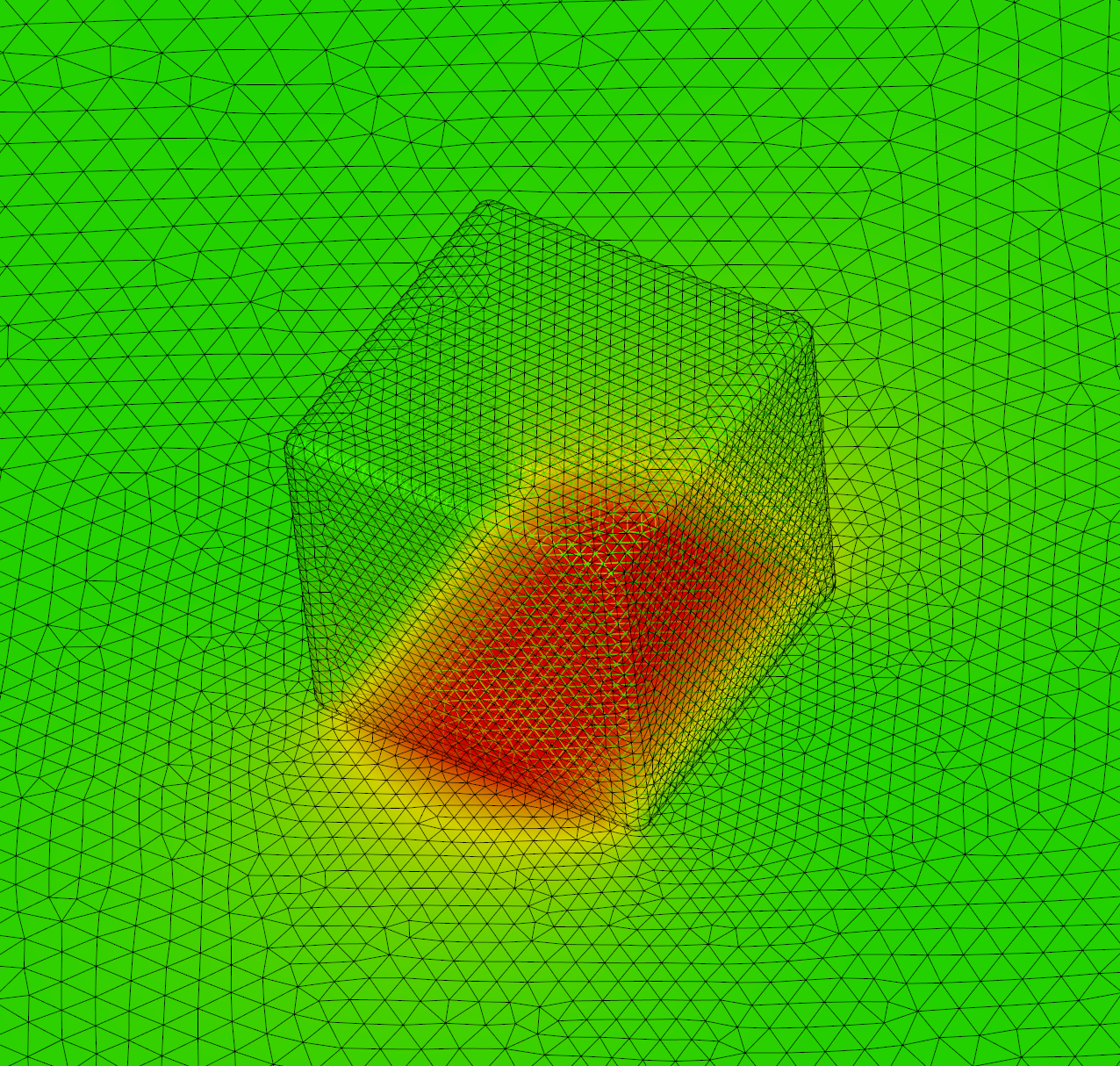
nanoDDSCAT+ combines the Discrete Dipole Scattering (DDSCAT) tool with the DDAConvert tool for a single workflow for custom shapes.
- Link (22 Sept 2016)

nanoDDSCAT calculate scattering and absorption of light by targets with arbitrary geometries and complex refractive index.
- Link (29 Feb 2016)
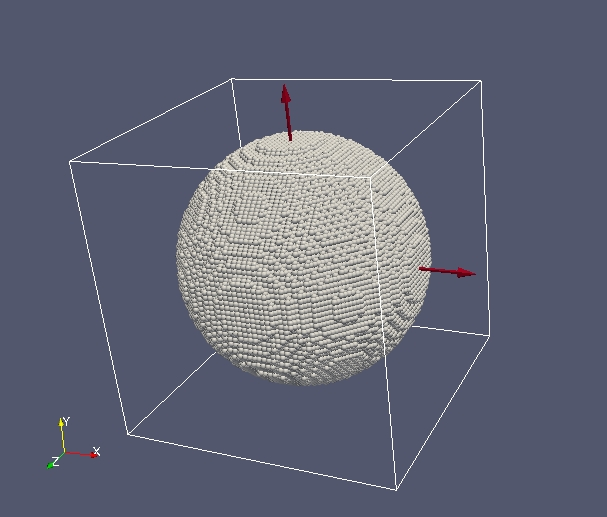
nanoDDSCAT+ combines the Discrete Dipole Scattering (DDSCAT) tool with the DDAConvert tool for a single workflow for custom shapes.
- Link (29 Feb 2016)
DDSCAT online tool by Nahil A. Sobh to Calculate scattering and absorption of electromagnetic waves by targets with arbitrary geometries and complex refractive index.
- Link (4 Feb 2014)
Discrete Dipole Scattering C++ code (DDscat.C++) by Vasyl Choliy is a C++ version of the Fortran code DDSCAT for calculating scattering and absorption of light by irregular particles and periodic arrangement of irregular particles.
- Link (10 Oct 2013)
Discrete Dipole approximation for Electron Energy Loss Spectroscopy
DDEELS, a Fortran code for simulating Electron Energy (low) Loss Spectroscopy (EELS) performed on irregular particles, has been developed by Nicolas GEUQUET and Luc HENRARD. It is based on the Discrete Dipole Approximation (DDA). The current version is DDEELS1.07alpha.
- Link (10 Nov 2011)